Saffranstårta

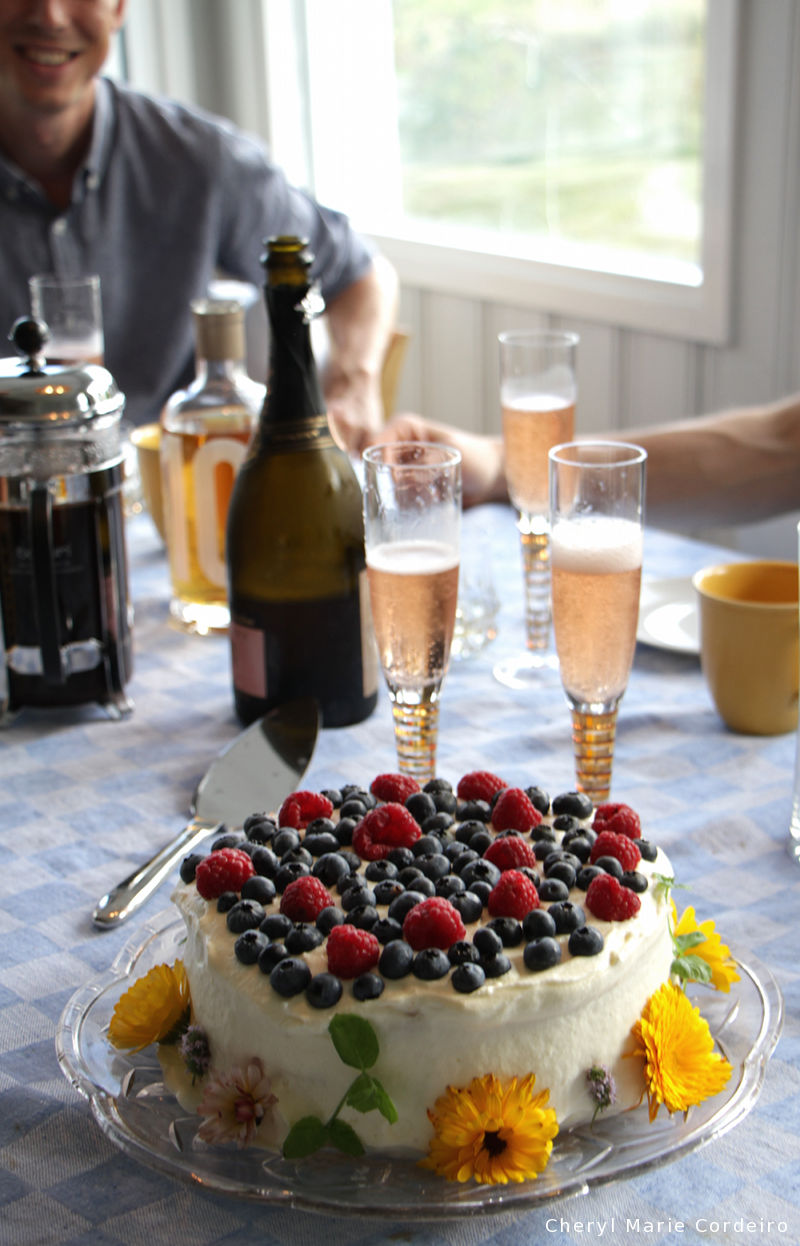
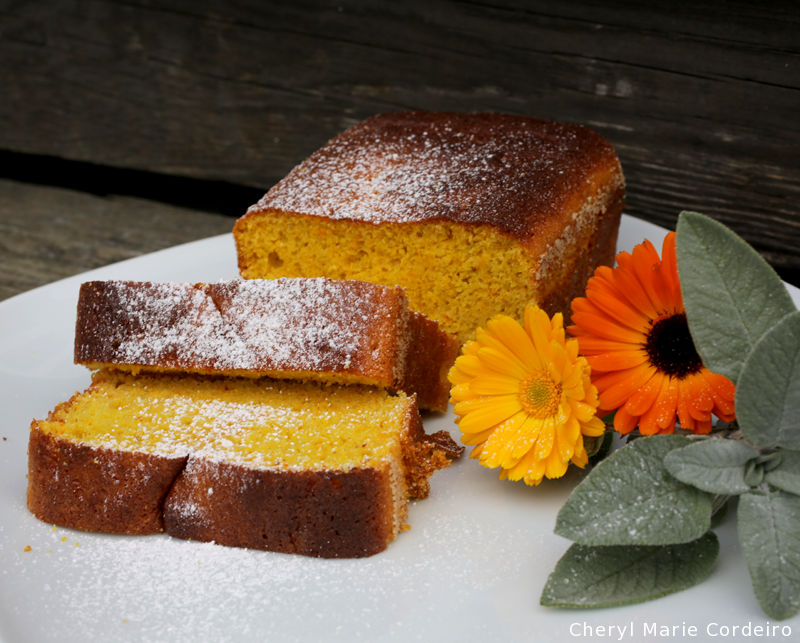
Saffranstårta / Saffron cake with the garden’s still blossoming calendula, and sage.
Text & Photo © JE Nilsson, CM Cordeiro 2017

Six weeks to Christmas, and the Christmas street lights are on display at Haga, lighting up in festive manner one of the oldest market and living quarters of the city of Gothenburg. Haga Nygata is lined with cafés currently inviting visitors with displays of festive treats, the large summer cinnamonroll side by side with Lussekatter saffron swirls.

Saffron came to Sweden during the 1300s by trade with Asia. The rarity of saffron meant it was limited in use to those who could afford such luxury. But by the 1800s, socio-economic circumstances made it possible for saffron to be used (still exclusively) as a winter festive spice in cakes and breads. Since arriving in Sweden in 2002, I perhaps only ever tried saffron cake on one occasion. Most other saffron experiences had come in the form of eating Lussekatter, which are now available in bakeries and grocery stores in the weeks that lead up to St. Lucia day (13 Dec.) in Sweden and then to Chiristmas. Attracted to its rich golden hue, but wanting to leave Lussekatter [1,2,3,4,] baking as a closer-to-Christmas project, I thought to try my hand at saffron cake baking.
Continue reading “Saffranstårta”

Kuriaki Grouliou wearable art

Kuriaki Grouliou, who is from Athens, Greece, makes wearable art in a myriad of styles, using different materials.
Text & Photo © JE Nilsson, CM Cordeiro 2017

Over dinner, Kuriaki Grouliou mentioned that she made and sold jewellery. She had just arrived together with her family in Sweden from Athens, Greece. My eyes lit at that information. She wondered if I wanted to see what she had made. The resounding answer from my side was, yes! Or, nαί, in Greek. She then pulled out several nondescript boxes. Carefully unlidding them one by one, the boxes spilled a burst of colours in miniature designs. She began showing me a variety items, not just jewellery but cufflinks, hair pieces, headbands, etc. I took my time to go through her hand crafted pieces, marvelling at the exquisite detail all made in less than 2×2 cm of space. I asked her what inspired her to create such beautiful, wearable pieces of art.

Continue reading “Kuriaki Grouliou wearable art”

Pintxos, a culinary signature of Basque Country, Spain

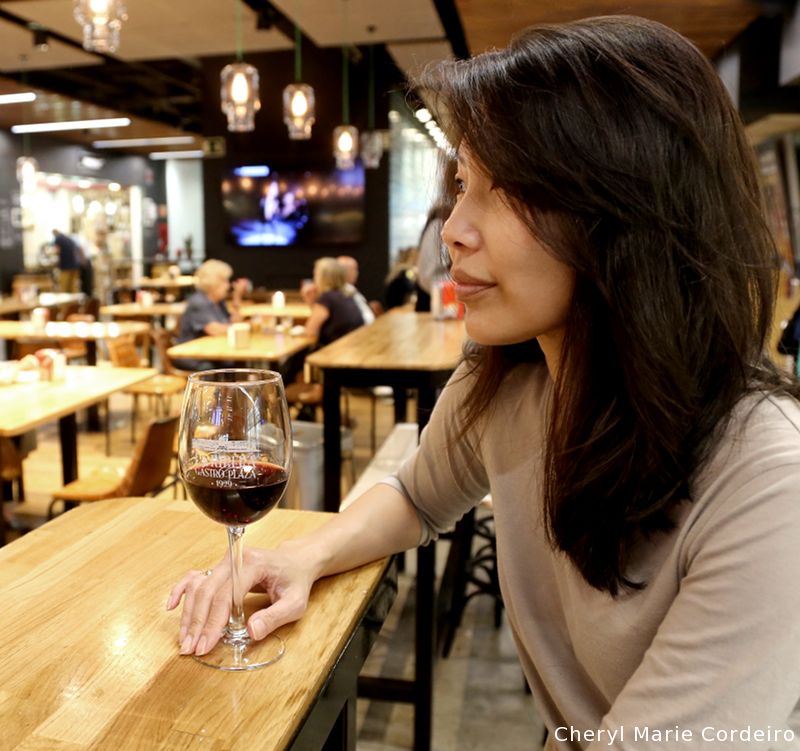
I sit in the shared dining space of the stalls of the market place at the Mercado de la Ribera, Bilbao, Basque Country, Spain. The glass of deep burgundy Viña Real Crianza 2014, is a wine made in the region just south of Bilbao.
Text & Photo © JE Nilsson, CM Cordeiro 2017

I resesarched the weather forecast ahead of landing in Bilbao, a city located north of Spain in the autonomous Basque region, Bay of Biscay. It was advised that the days in Bilbao during the RESER 2017 conference would be rainy and I should bring an umbrella. I had not however read up too much on the culinary scene of Basque Country Spain. I assumed it would be plenty of tapas, sangria and wines, perhaps much like that to be found in Barcelona, when I was there for the International Faculty Program (IFP) 2011 program at IESE Business School. I was pleasantly surprised that it was not so much tapas as pintxos to be discovered as a social event with the intention that one could move from eatery to eatery, exploring in one evening, different atmospheres of different places*. If living in Bilbao or Basque Country Spain in general, I would expect to slow down the nomadic pintxos eating, taking one place for one evening at a time, if not making your own creative version at home. And instead of sangria to the food, Txakoli, a very dry white wine produced in the region, was suggested as accompanying drink to pintxos.

Continue reading “Pintxos, a culinary signature of Basque Country, Spain”

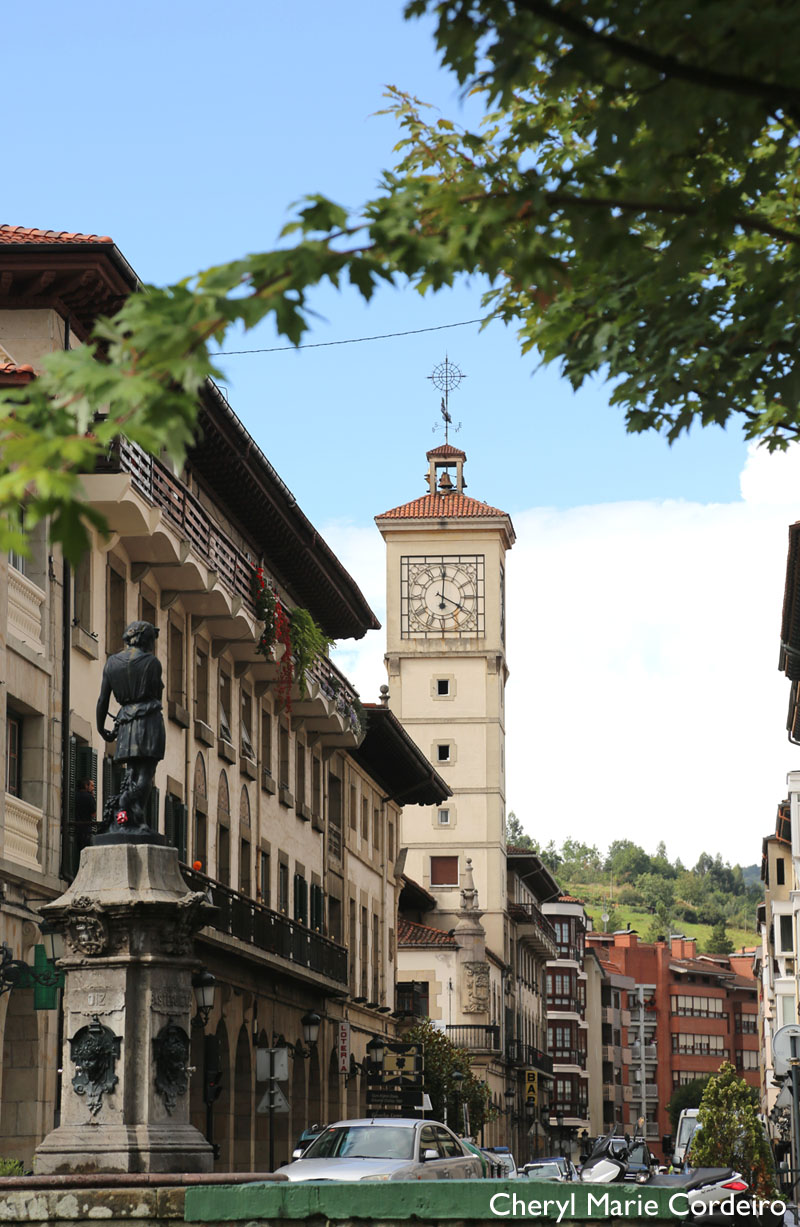
Guernica, Province of Biscay, Basque Country Spain

Guernica (Basque name Gernika) Town Hall, Basque Country Spain .>
Text & Photo © JE Nilsson, CM Cordeiro 2017

About an hour’s train ride away from Bilbao, Spain, is the town of Guernica or Gernika-Lumo. Basque Country outside of the provincial capital influences and its industries is heterogenous. Passing by in a train, a fleeting glance could make one label agricultural Basque region as ‘rural’ or ‘traditional’, termed as such because these places have either remained untouched by urbanisation, with no evident applications of modern technologies and/or have not reached mass consumerism [1]. But a closer study indicates that alongisde a mixed agricultural economy is an impressive inshore fishing sector supported by small and medium enterprises complements local agriculture, whose economic influence is impactful enough to make changes to the daily lifestyles of its people from how they allocate time between work and leisure, and what forms of entertainment they prefer [1].

For Gernika-Lumo, not a hundred years have passed since the Spanish Civil War of the late 1930s. Under the soft drizzle of the late summer’s rain, Guernica, or Gernika which is the Basque spelling, looks very different than anyone more familiar with Picasso’s representation or indeed the old journal films of the late 1930s would have lead anyone to expect.The bombing of Guernica on 26 Apr. 1937 was made on the personal request of Francisco Franco, who at the time enjoyed military support from nazi Germany and fascist Italy. The devastation of Guernica was an experiment and a way to decide in a discussion within the new Nazi Luftwaffe, if an enough horrible attack on defenseless civilians would lead them to give up and surrender, or to just fight harder. This was the first intentional terror bombing of civilians in the history of modern warfare. The torn civilians of Guernica did give up. The lesson was learnt, and this dragon seed led to names of events that we know more of such as Dresden, Nagasaki and Hiroshima.

At the time, the bombing of Guernica created a worldwide uproar and made visible the divide between the power hungry and the artistic, more civilized part of humanity. The latter are best represented by Picasso’s masterpiece Guernica, which in my view, might well also have been the inspiration to the architecture of the Bilbao Guggenheim Museum.

Today, Guernica has become an international symbol of peace [2] due the senseless violence and waste its people endured during the hours of uninterrupted destruction. The onslaught left 70% of the town completely destroyed and most of the rest, seriously damaged. Guernica was in the early 1900s, a small market city with hardly more than 6,000 inhabitants. Some accounts say that almost one third of them perished in the attack that went on in wave after wave with different kinds of bombs, from light to heavy to fire bombs. The central idea was to force people into shelter, and then set fire to the rubble. Today, the city is inhabited with slightly more than 16,000 people.

For someone coming from outside of Spain, I find the beautifully kept surroundings and quiet streets difficult to reconcile with its painful past.

Continue reading “Guernica, Province of Biscay, Basque Country Spain”

Strawberry and shrimp

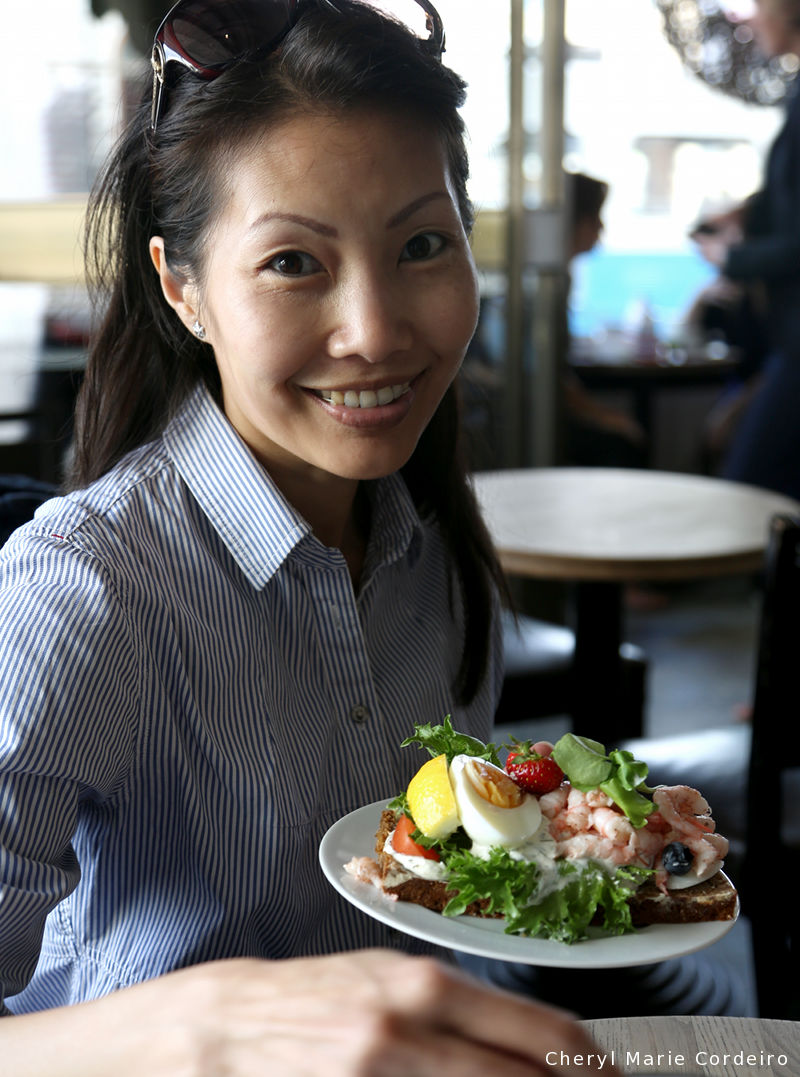
At Brogyllen konditori, Västra Hamngatan, Gothenburg, Sweden.
Text & Photo © JE Nilsson, CM Cordeiro 2017

It might have been as early as 2003 or 2004 during my first years living in Sweden, that I visited Brogyllen. Brogyllen konditori is a bakery-café located at the southwest corner of Hamngatan in the city of Gothenburg. The café opened early, at half past seven in the morning, and my doctoral studies courses usually began at nine. This gave me ample time to sit, have coffee with a Swedish kladdkaka, a sweet, sticky chocolate fudgecake served with whipped cream on top, and watch the trams go by. In a routine sitting, I could almost tell the time by the tram number that went past. From the time I sat down, by three tram no. 2s gone by, it would be about time to leave for university campus grounds.

Continue reading “Strawberry and shrimp”

Mincemeat pie, a takeaway from Scotland

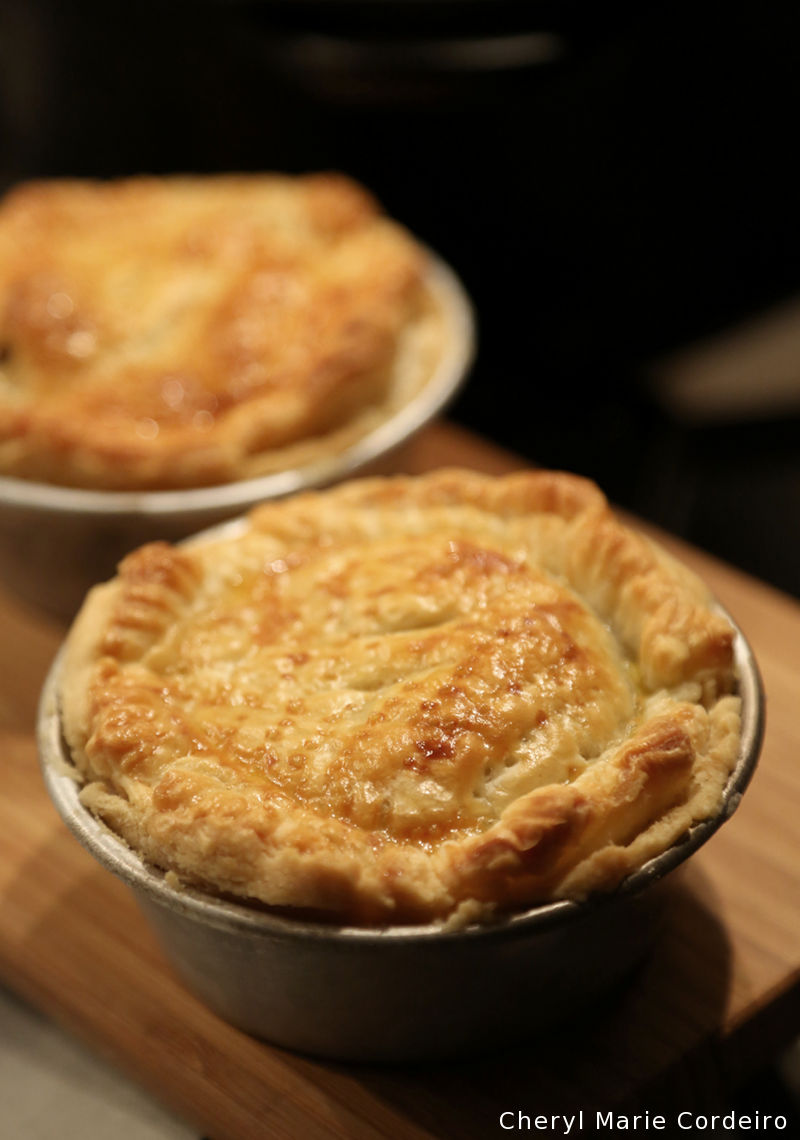
Mincemeat pie, the savoury kind.
Text & Photo © JE Nilsson, CM Cordeiro 2017

At about midsummer in June this year, I was in Glasgow, Scotland, for the EURAM 2017 conference. During the days in Glasgow, I took the opportunity to explore the city’s eateries and local fare. First thing I had wanted to try when in Scotland was haggis. This, I found already on the first day’s lunch hour whilst exploring the streets closest to the conference venue, which was the University of Strathclyde, the campus nearest George Square.

Continue reading “Mincemeat pie, a takeaway from Scotland”

Styrsö Uttervik


At Styrsö Uttervik, a seaside bathing spot well-liked by both locals and visitors to the Swedish west coast during the summer months.
Text & Photo © JE Nilsson, CM Cordeiro 2017

There are a number of seaside bathing spots to go to when visiting the harbour city of Gothenburg. Some of the most scenic of swim areas can be found at the southern archipelago islands of Gothenburg, along the Swedish west coast. Styrsö Uttervik, located at the island of Styrsö is one of them.

Continue reading “Styrsö Uttervik”

A little bit of Italy at Åboulevard, Copenhagen, Denmark

Åboulevard or ‘River’ Boulevard.
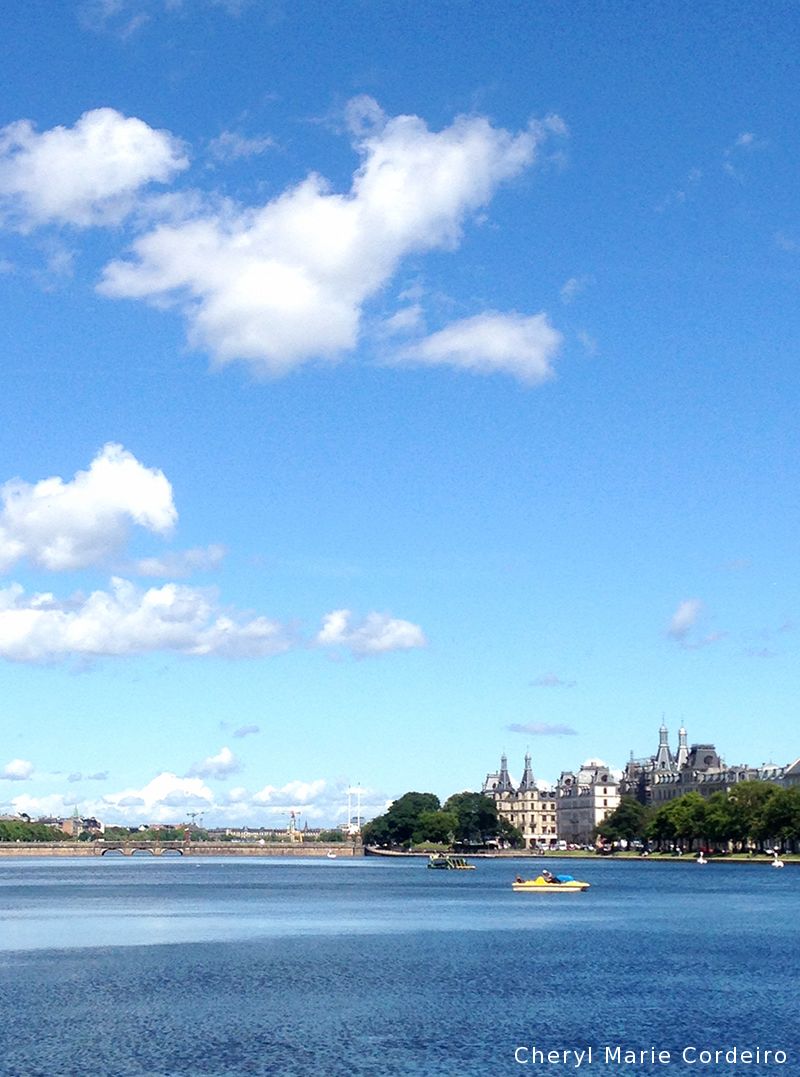
Åboulevard is one of the more scenic routes to bike or walk in central Copenhagen, Denmark.
A view from Åboulevard across Peblinge Lake.

Text & Photo © JE Nilsson, CM Cordeiro 2017

Most days are gelato days for me, regardless the country or season. After walking around much of central Copenhagen in the evenings for supper, it was still the gelati found at the little Italian shop right next door to the hotel at which I was housed that drew me back to their modest quarters. With walls lined with scenes from southern coastal Italy, it felt like sunshine to walk into the place, even at sundown.

Continue reading “A little bit of Italy at Åboulevard, Copenhagen, Denmark”