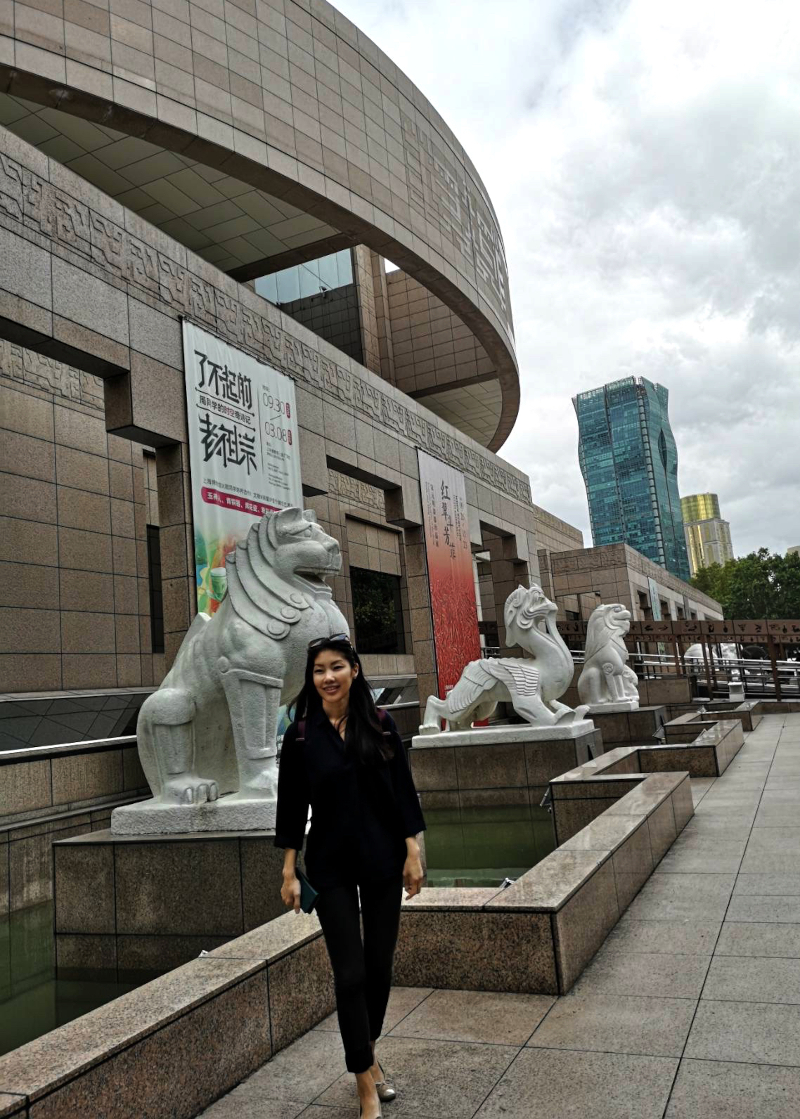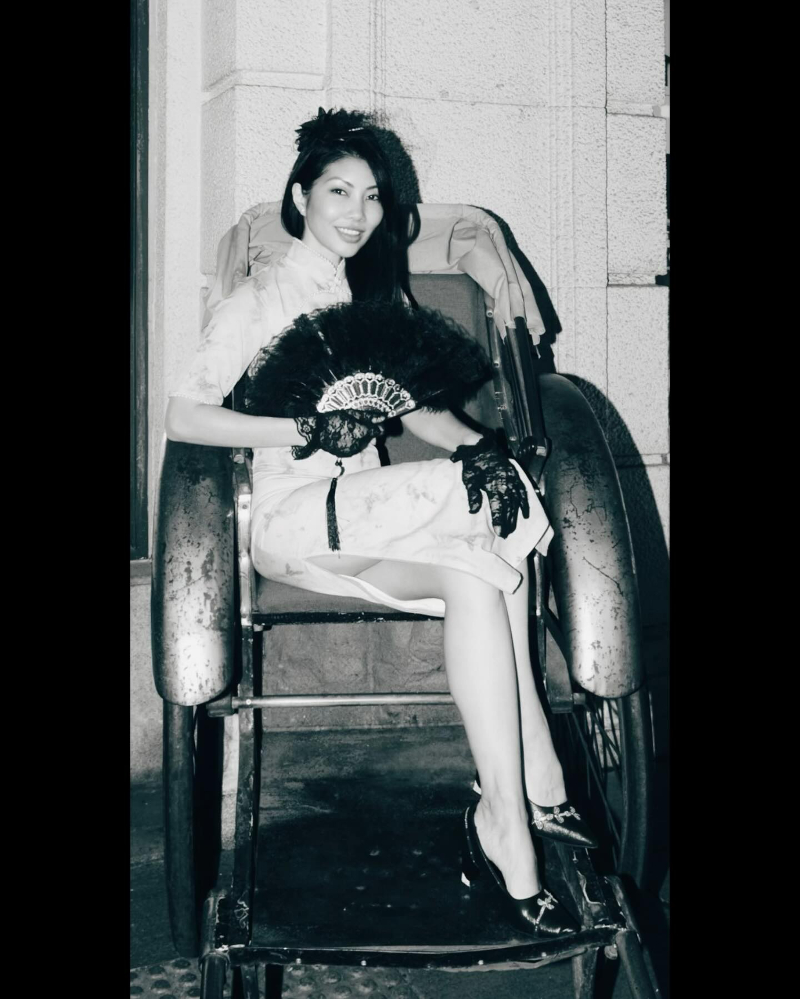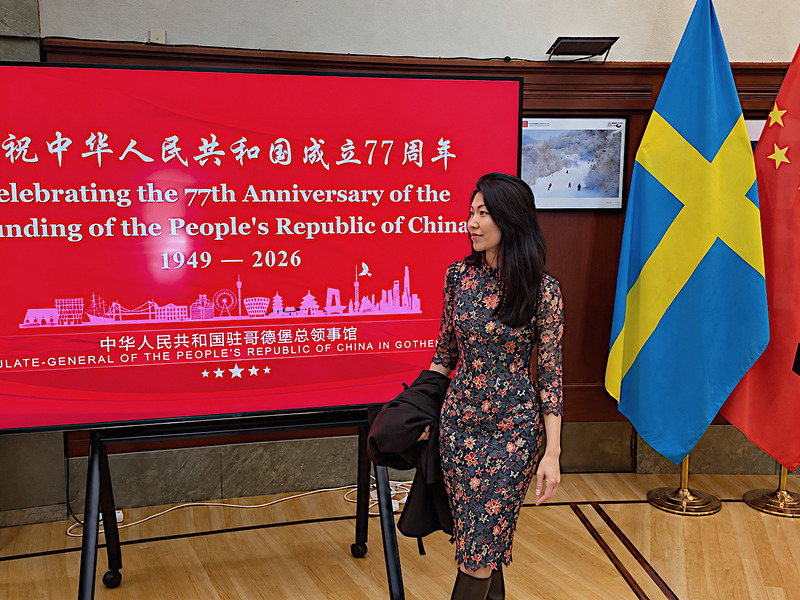
Born in the vibrant city of Singapore with a unique Eurasian blend of Portuguese and Chinese heritage, my journey has taken me from the bustling streets of Singapore to the serene and open landscapes of Sweden. My educational pursuits in Singapore culminated at tertiary level with two separate Master degrees, after which I embarked on a new adventure in 2002, moving to Sweden. In Sweden, I pursued with deep interest, the knowledge field of applied linguistics, particularly corpus linguistics research methods, earning a doctoral degree from one of northern Europe’s largest universities, the University of Gothenburg. I currently work as Project Manager, focusing on EU and international projects, at RISE Research Institutes of Sweden, at the Division of Bioeconomy and Health, Department of Agriculture and Food. My office is located in Mölndal municipality. Mölndal, known also as the Valley of Mills, is located about ten minutes by bus ride from the city center of Gothenburg to the south. If you’re ever traveling south from Gothenburg to Malmö, whether by train or car, you will likely come by Mölndal municipality. In these pages at cmariec.com, you’ll find my lifestyle musings on culinary and travel adventures from Singapore to Sweden, and from when I lived and worked the Arctic City of Tromsø (2018 to mid-2022). SINGAPORE | SWEDEN | NORTHERN NORWAY Life in Singapore Pursued all academic interests in Singapore, of which the post-graduate years were founded in two separate disciplines. In 2000, graduated with two separate Masters Degrees: (i) Master of Science in Information Studies at the Nanyang Technological University (NTU) in Singapore (ii) Master of Arts in the English Language at the National University of Singapore (NUS). In 1999, represented the Republic of Singapore at the Miss Universe Pageant in Trinidad and Tobago. With this came a variety of film, educational TV, media, and ambassadorial work for the Singapore Tourism Board. Life in Sweden In 2002, moved from Singapore to Sweden in order to pursue a PhD in Gothenburg, where a number of international corporate head offices were located that all had a substantial business presence in Singapore and also Asia in general. In 2009, graduated with a PhD in applied critical linguistics from the faculty of humanities at the University of Gothenburg, with a cross-disciplinary thesis entitled, Swedish management in Singapore: a discourse analysis study, looking particularly into the concepts of assimilation, integration and hierarchy, at top management levels of Swedish-Asian corporations in Singapore. 2013, as research fellow at the Centre for International Business Studies (CIBS), School of Business, Economics and Law at the University of Gothenburg, Sweden, researching the future implications of increasing Asian-Swedish cooperation within the field of international business. The project is entitled Gothenburg in Asia, Asia in Gothenburg, funded by the Anna Ahrenberg Foundation. The project is aligned with the 400 years anniversary of the city of Gothenburg in 2021, and falls under the broad category of Kunskap Göteborg 2021 initiated by city representatives of Gothenburg, Göteborg & Co, University of Gothenburg and Chalmers University of Technology. 2015, was granted the Flexit post-doctoral scholarship by Bank of Sweden Tercentennary Foundation (Riksbankens Jubileumsfond, RJ) for a three year project together with the Swedish-Swiss multinational enterprise ABB. From 2015-17, the research will take place at ABB Corporate Research Sweden HQ in Västerås, and at CIBS during 2017-18. The research focus of the project is how new technologies are perceived and accepted by users and customers, using linguistic methods of data analysis. More information can be found at RJ’s website, at Riksbankens Jubileumsfond (RJ) Felxit 2015. Life in Northern Norway (2018-2022) 2018, late summer. I acquired new work as Market Scientist at Nofima. Having moved to the county of Troms in August, I’m currently enjoying myself, exploring the island city of Tromsø. From the 1900s, this city became known as Paris of the North due to how the people of Tromsø were exceptionally stylish and sophisticated in contrast to the fishing village preconception that many might have of a city located in the Arctic Circle. In my years in Sweden, I have known Sweden to be called the land of the midnight sun. During the long summer mights, it was beautiful to sit and watch the sun’s languid pendulation between east and west, touching the horizon out at sea before going up again. Northern Norway takes this languid pendulation of the sun to the extreme. It is not only known as the land of the midnight sun, but it is also the land of polar nights and the northern lights. This is my new adventure. And in these lifestyle blog pages, you’ll find my personal thoughts, insights and musings. Cheryl Marie Cordeiro | PhD MSc MA ACADEMIC REFLECTIONS | CV LIFESTYLE BLOG

Late Evening at the Rambla: a winter dispatch from Alicante

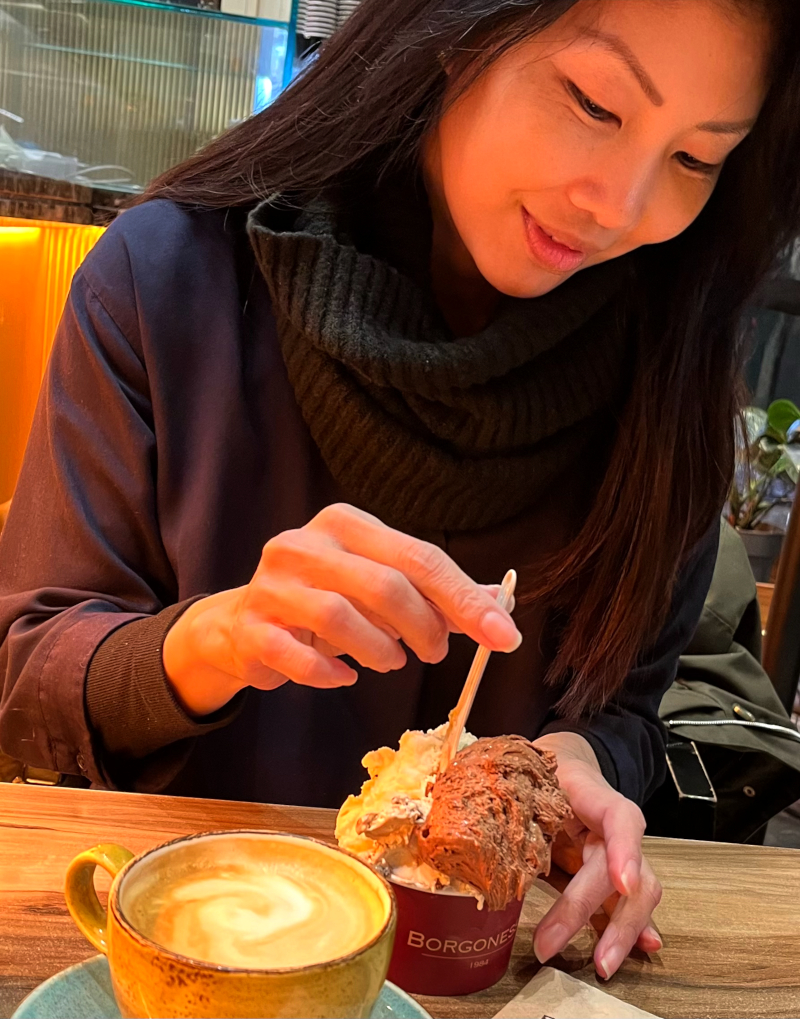
Heladería Borgonesse, Rambla Méndez Núñez, Alicante, January 2026

Text and Photo © 2026 JE Nilsson, CM Cordeiro

Travel  ·  Alicante, Spain  ·  January 2026

Late Evening at the Rambla: a winter dispatch from Alicante

We had not planned to stop. But the light from Borgonesse was warm, the evening was mild, and it seemed like the right thing to do.

Alicante in January is relatively quiet. The Rambla Méndez Núñez, which in summer fills with bodies and noise, opens up in winter to reveal itself: a wide, mosaic-paved boulevard lined with bare-branched orange trees, lit softly at night, designed at a pace that invites you to slow down. We had been walking it for a while, not going anywhere in particular, which is perhaps the best way to get to know a city.

Continue reading “Late Evening at the Rambla: a winter dispatch from Alicante”

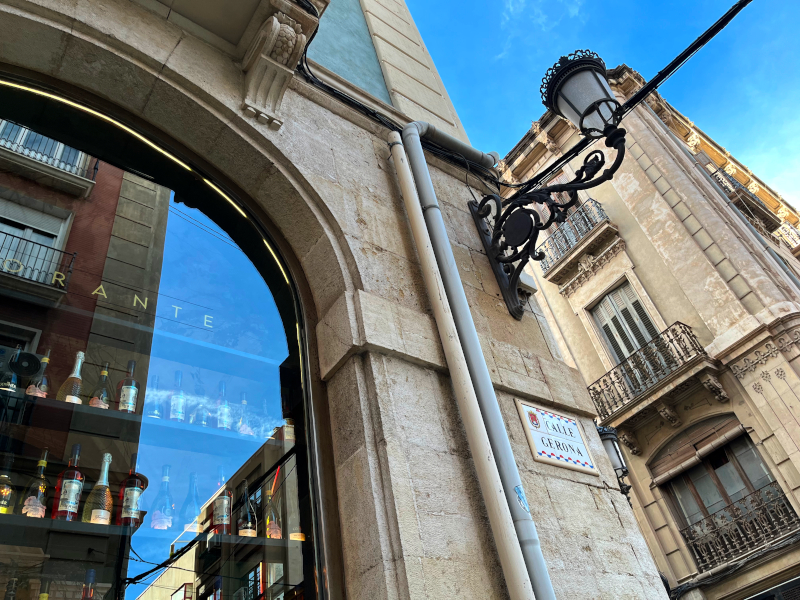
TP Ristorante, Alicante: A Late Afternoon in the Palacio Salvetti

Text and Photo © 2026 JE Nilsson, CM Cordeiro

There are restaurants you stumble into and restaurants you return to. TP Ristorante, on Carrer Castaños in the heart of Alicante’s old town, belongs to the second category from the first visit.

The building is the Palacio Salvetti, constructed in 1887, and its foundations are still very much present: high ceilings, generous arched windows opening onto the street, stone and plaster that have absorbed a good deal of Alicante history. What the current owners have done with the interior is worth pausing over before you even sit down.

Continue reading “TP Ristorante, Alicante: A Late Afternoon in the Palacio Salvetti”

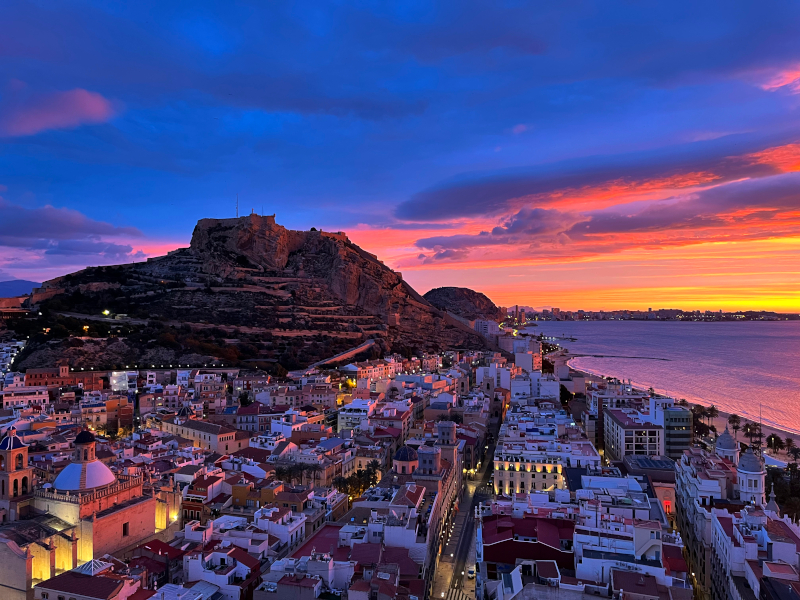
Alicante in January: The Mediterranean’s Best-Kept Off-Season Secret

Alicante, January 2026

Text and Photo © 2026 JE Nilsson, CM Cordeiro

There is a particular kind of pleasure in arriving somewhere and realising you have timed it perfectly. Alicante in January is not the city at its loudest, and that is precisely the point.

The days run to around 16 degrees Celsius with nearly nine and a half hours of sunshine, and rain is almost theoretical, perhaps one day in ten. The crowds of summer are gone, the light is clear and low, and the city belongs, more or less, to itself. You get to slip in alongside it.

The city, experienced in layers

Alicante did not arrive at its present shape quickly. The city sits on foundations that span Iberian, Roman, Moorish, and Spanish colonial periods, each leaving something legible in the streetplan and stonework. The old town, known as El Barrio, climbs the rock beneath the castle in a pattern that follows Moorish-era paths. The Explanada de España, the grand promenade along the waterfront, was laid out in the nineteenth century and is paved with some six and a half million marble tiles in a wave pattern that local craftsmen still maintain. Walking it slowly in January, with nobody particularly in a hurry, you begin to understand that this is a city accustomed to its own beauty and not especially concerned with performing it.

Castillo de Santa Bárbara occupies the summit of Mount Benacantil, a rocky outcrop that rises 166 metres above sea level directly above the city. The site has been fortified since at least the ninth century, when it served Moorish rulers of the region. What stands today dates largely from the sixteenth century, built and expanded under Spanish Habsburg rule following the Reconquista. From the upper ramparts in January, with the air clear and the haze of summer completely absent, the view extends across the coastline in both directions, the mountains of the interior close and detailed, the marina directly below. It is the kind of view that asks for quiet rather than commentary.

The marina

From our vantage point above, the marina is the natural next destination. Yachts moored in the winter calm, the water a deep and steady blue, the Paseo del Puerto running along its edge wide and unhurried. In summer this waterfront fills quickly, boats come and go in numbers, and the pace is a different thing entirely. In January you can walk the full length of it, stop wherever you like, and take in the surrounding landscape at a genuinely languid pace. The castle above, the mountains inland, the Mediterranean ahead. It is a generous composition and January gives you the time to notice it.

Continue reading “Alicante in January: The Mediterranean’s Best-Kept Off-Season Secret”

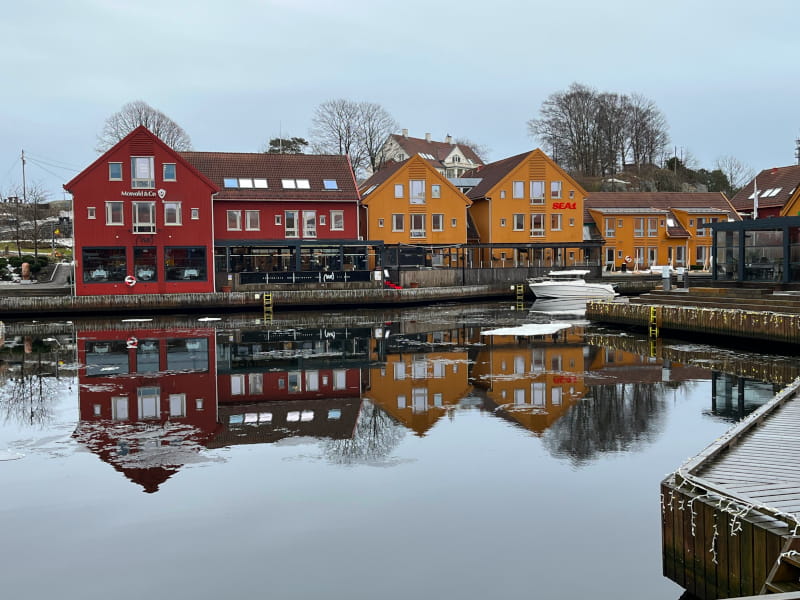
At the Fish Wharf in Winter: Kristiansand and Skrei Season

Text and Photo © 2026 JE Nilsson, CM Cordeiro

February is not the obvious month to visit southern Norway. The days are short, the harbour wind has teeth, and the summer crowds that fill Kristiansand’s famous Fiskebrygga are long gone. But come in February for one very specific reason: skrei.

Continue reading “At the Fish Wharf in Winter: Kristiansand and Skrei Season”

Through Old and New Shanghai: From Museum Treasures to Bund Lights

Text and Photo © 2026 JE Nilsson, CM Cordeiro

Through Old and New Shanghai: Museum Treasures to Bund Lights

Shanghai, October 2025

Some days are perfectly choreographed without having the need to plan much. An October 2025 morning in Shanghai began with ancient porcelain and ended with the glittering skyline reflected in the Huangpu River, a journey from 8,000 years of ceramic history to the electric pulse of modern China.

Morning: Porcelain Pilgrimage at Shanghai Museum East

We arrived at the Shanghai Museum East Campus in Pudong just after opening, beating the mid-morning crowds. The sprawling 113,200-square-meter building on Century Avenue is a world away from the iconic bronze ding-shaped museum at People’s Square. Where the original building evokes ancient ritual vessels, the East Campus, opened in late 2023, is all soaring ceilings, natural light, and the kind of spaciousness that lets you actually breathe around priceless artifacts.

Continue reading “Through Old and New Shanghai: From Museum Treasures to Bund Lights”

Where Shanghai Slows Down: Zhujiajiao in Autumn

Text and Photo © 2026 JE Nilsson, CM Cordeiro

They say the best way to see Shanghai is to leave it, if only for an afternoon. Not for another skyline, but for a place where time is measured by the quiet push of a boat pole and the patient repetition of hands at work. In October 2025, I took the easy one-hour trip out to Zhujiajiao and found it wasn’t a postcard version of the past. It was a living town, layered, textured, and gently awake beneath willows that moved with the breeze.

A watercolour sky

Zhujiajiao in autumn doesn’t need dramatic sunshine to feel beautiful. That day, the sky was more like a thin wash of watercolour, soft and overcast, with swirls of cloud-white. The humidity of summer had lifted, replaced by air that felt clean and light on the skin. The canals held a calm green, the willows stayed green too, and the whole town seemed to lean into a quieter palette.

Continue reading “Where Shanghai Slows Down: Zhujiajiao in Autumn”

Julbord on the West Coast: Herring, Ham, and Holiday Rhythm

Text and Photo copyright 2025 JE Nilsson, CM Cordeiro

A Swedish julbord is often described as “a lot of food,” but it is also a meal with a recognisable structure and a set of shared habits. Many guests begin with something warm to drink, then move through the buffet in a familiar sequence, cold dishes first, warm dishes second, dessert and coffee last. Julbord is commonly eaten in “rounds,” with several smaller visits rather than one large plate.

A west coast setting, classic julbord by the sea

On the Swedish west coast, the julbord is often framed by the sea, both literally and in the menu. In Gothenburg and the archipelago, Christmas dining is frequently described in terms of herring and salmon variations, and, in some settings, more pronounced seafood and shellfish elements.

At Långedrag Värdshus, the julbord is presented as a classic “julbord by the sea,” with views over Göteborg’s archipelago. Their description highlights several kinds of herring, salmon prepared in different ways, cold cuts, and warm staples such as Jansson’s frestelse, boiled Christmas ham, prinskorv, and homemade meatballs, followed by a large dessert table.

Continue reading “Julbord on the West Coast: Herring, Ham, and Holiday Rhythm”

Christmas Markets in Brussels, Belgium

Brussels in December, Winter lights and market atmosphere

Text and Photo, © 2025, CM Cordeiro and JE Nilsson

Europe has many beautiful Christmas markets, with some of the most famous found in Austria and Germany. Cities like Vienna, Salzburg, and Innsbruck in Austria, and Nuremberg, Cologne, Dresden, and Munich in Germany are globally renowned for their historic and atmospheric Christmas markets. They are often seen as the heartland of the tradition. When I planned a week in Brussels, I realised I hadn’t heard much about its Christmas markets at all. Brussels is often associated with the European Union, conference rooms, institutions, and polished modern buildings, so I assumed the holiday season might feel more formal than festive. I couldn’t have been more pleasantly surprised.

Continue reading “Christmas Markets in Brussels, Belgium”

Sweden’s Coastal Frontier: Where Seafood, Science, and Sustainability Meet

Photo & Text © 2025 JE Nilsson, CM Cordeiro

It’s a warm July afternoon. Low clouds drift lazily over the archipelago. Beneath them, the granite cliffs of Smögen rise from the sea, a sculpted memory in pink-grey that is sea-worn, and timeless. The town’s wooden boathouses, painted in reds and mellow yellows, lean against each other in an uneven row, anchored by the bustling boardwalk, parts of which snake along the harbor.

It’s here, outside a popular seafood restaurant called Göstas Fiskekrog, that a steel-hulled yacht appears to have sailed out of another chapter entirely.

Continue reading “Sweden’s Coastal Frontier: Where Seafood, Science, and Sustainability Meet”