Meiji jingū in Shibuya, Tokyo

Cheryl Marie Cordeiro, Meiji Jingu Shrine

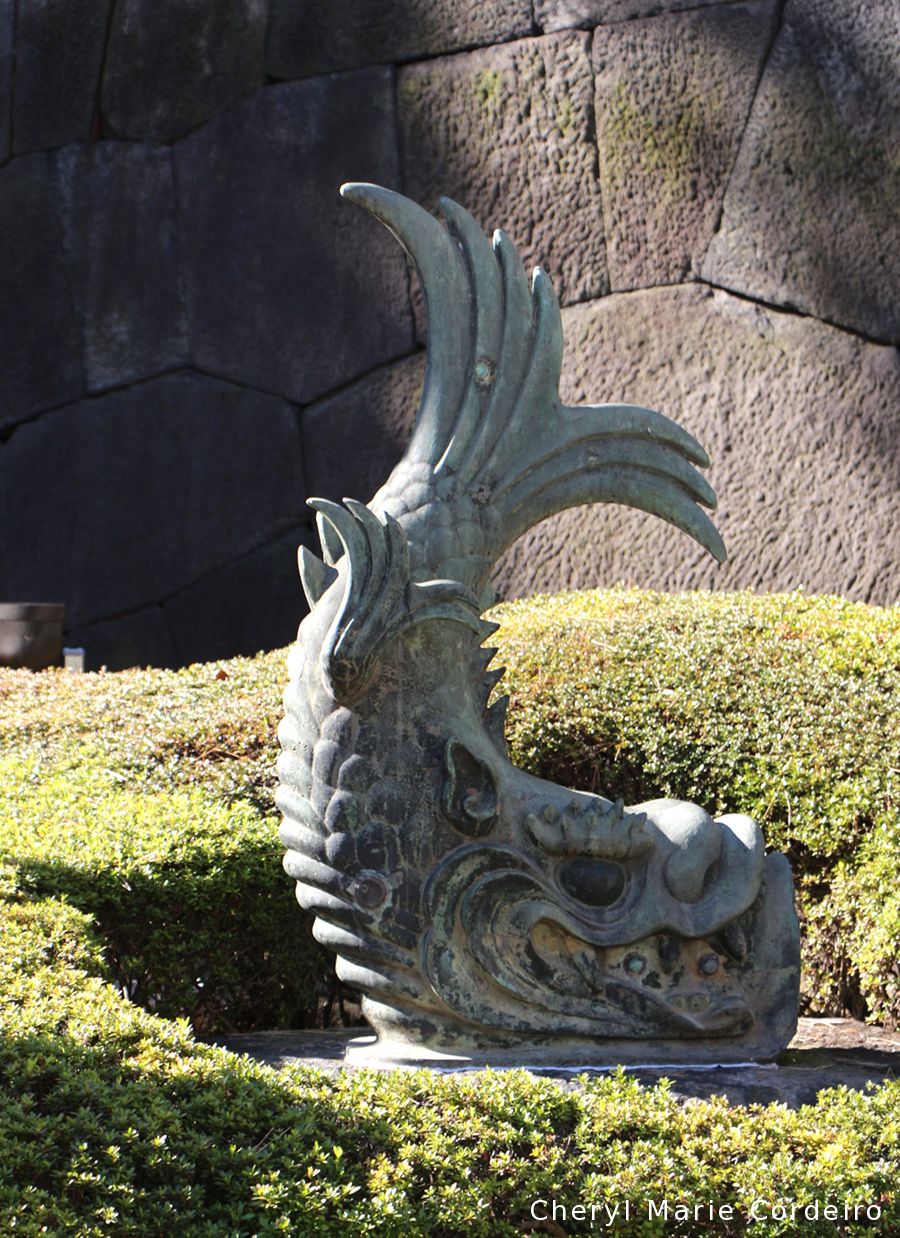
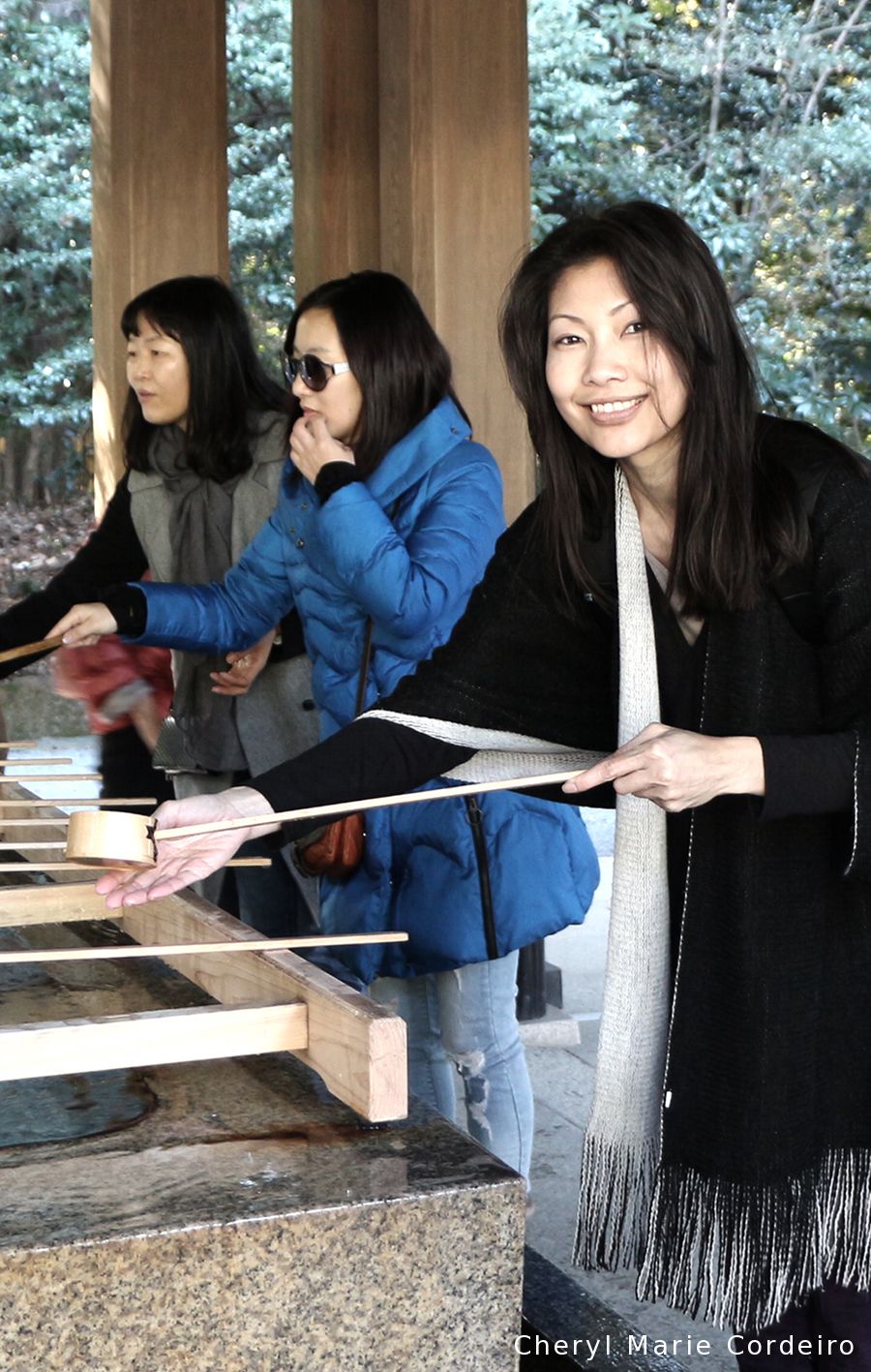
Customary cleansing with water before entering the Meiji jingū in Shibuya, Tokyo.
Text & Photo © S Posén, JE Nilsson, CM Cordeiro, Sweden 2015

It was not too long ago that I sat in a group that discussed preferences as to whether or not to research a city / country before visiting. At that time, I had just begun learning about cross-cultural communication, embarking on several university courses on culture studies. I was thus adamant that it was better to read as much as you could about a country of visit prior to landing, else face a myriad of cultural filters and challenges when there. Some in the group were adamant in the opposite camp, believing that part of travelling was indeed to get ‘lost in translation’, the very definition of a travel adventure itself. From that roundtable discussion till today, my preference could be said to have shifted some from all things orchestrated and planned, my favourite saying to the utter frustration of some co-travellers when not having found my way around Continue reading “Meiji jingū in Shibuya, Tokyo”
Sensoji Temple at Asakusa, Tokyo

Sensoji Temple

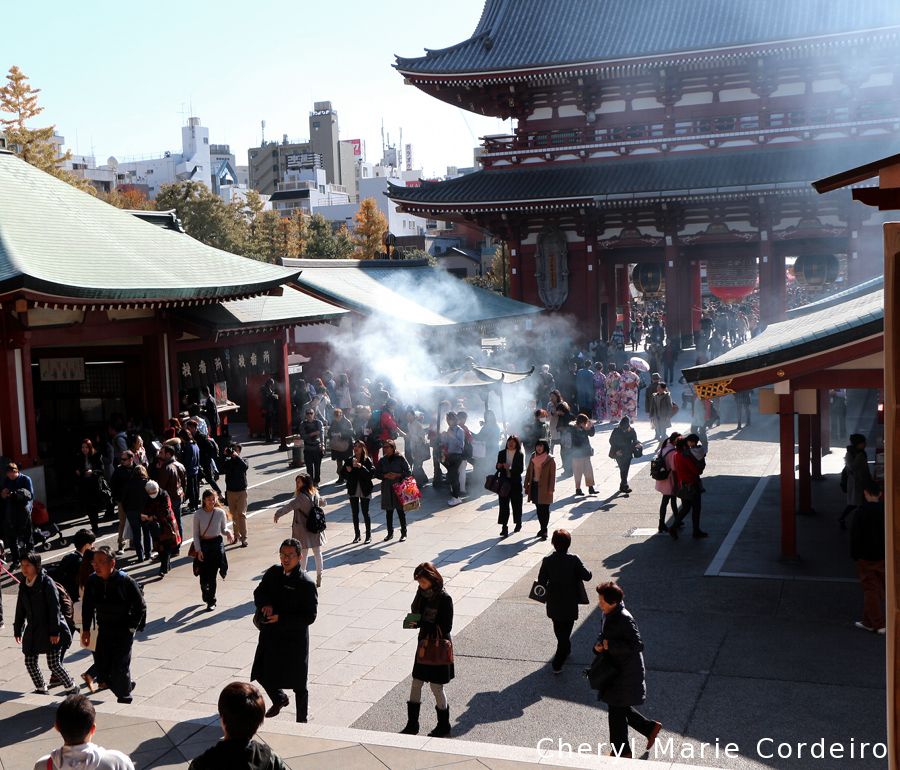
Sensoji Temple grounds.
Text & Photo © JE Nilsson, CM Cordeiro, Sweden 2015

§TRANSCRIPTION START
$G: We have a very interesting story about the Sensoji Temple, origin of Sensoji Temple. One day, two grown-ups picked up a statue of Buddha from nearby Sumida River when they are fishing. And at that time they didn’t know what is that. Because the Buddhism was imported to Japan during the sixth century, so at that time, they were commoners so they didn’t know what is that. And they tried to put it back many times. But the statue always found a way to come back to them. So finally the two fisherman together with chief of village, the three people built a place to worship the statue of Bodhisattva. Bodhisattva is a kind of Buddha. And Bodhisattva is known as God of Mercy. And Bodhisattva can save all people from suffering. And the creating of the Bodhisattva became very popular, and a lot of people began to came to the temple to make a prayer. That is the history of Sensoji Temple.

So in the main hall of Sensoji Temple, they worship the statue of Buddha. But today, we cannot see that. Because always we cannot see that. Because the statue is in the box. Stored in the box. And the box is not opened by persons for one hundred fifty years. Continue reading “Sensoji Temple at Asakusa, Tokyo”

Tsukiji Fish Market, Tokyo

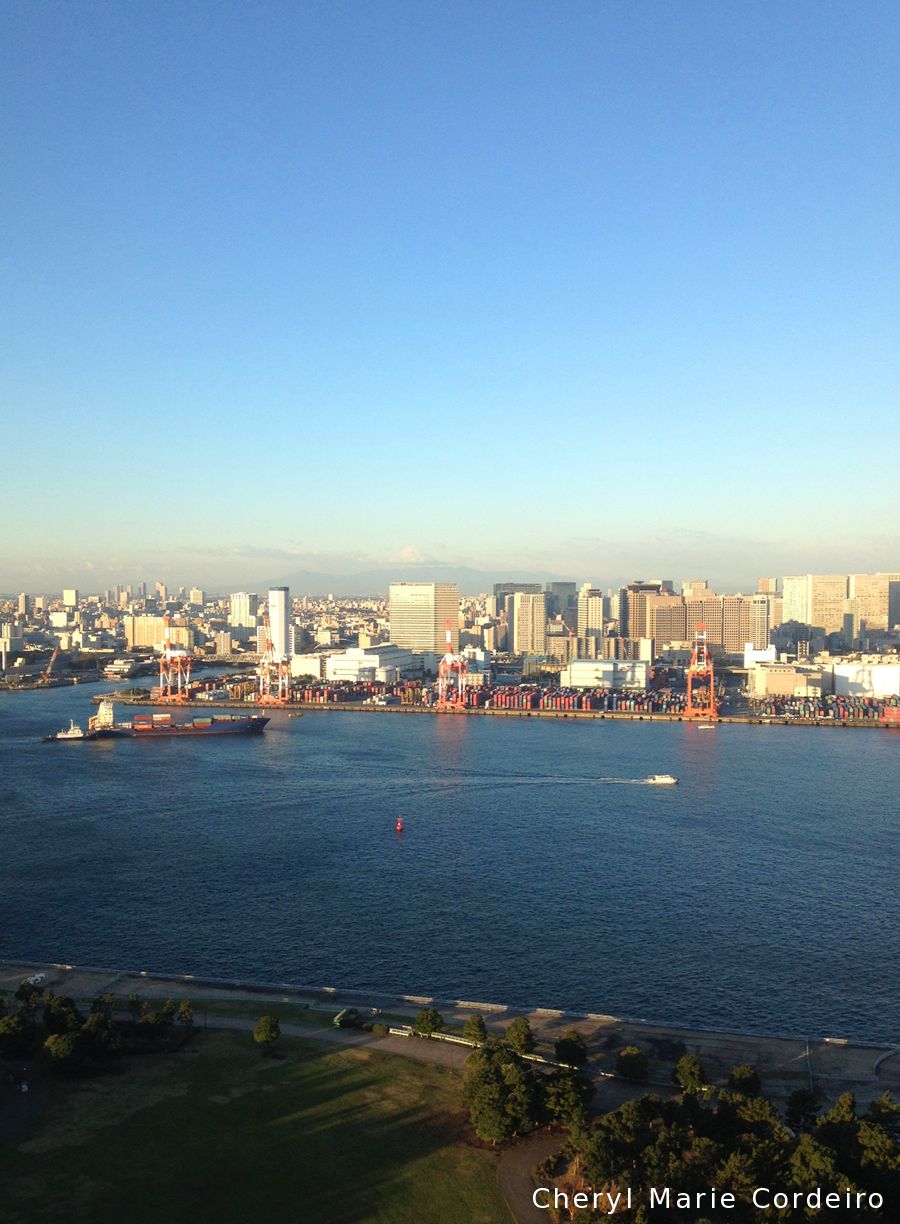
Tokyo Bay, view from Le Grand Pacific Daiba, 30F.

A morning view of Tokyo Bay, from Odaiba. Tokyo’s container harbour framed lightly by its mountainous region in the background.
Text & Photo © JE Nilsson, CM Cordeiro, Sweden 2015

Faced with a declining birthrate and an ageing society, Japan’s Revitalization Strategy was revised in 2014 to include a section on “robot revolution”. It focused on the potential of the use of robots for the solving its social challenges and labour shortages. These ideas ran as core theme to this year’s International Robot Exhibition (iREX 2015, 2-5 Dec.) held at the Tokyo Big Sight, in Tokyo, Japan.

It was in such a forward looking context of robotisation that I decided to head towards one of the world’s largest fish markets right in the centre of the city, the Tsukiji Market, if only to feel the heartbeat and observe the pulse of an ancient trade in this metropolis. Continue reading “Tsukiji Fish Market, Tokyo”

November cats

Cheryl Marie Cordeiro

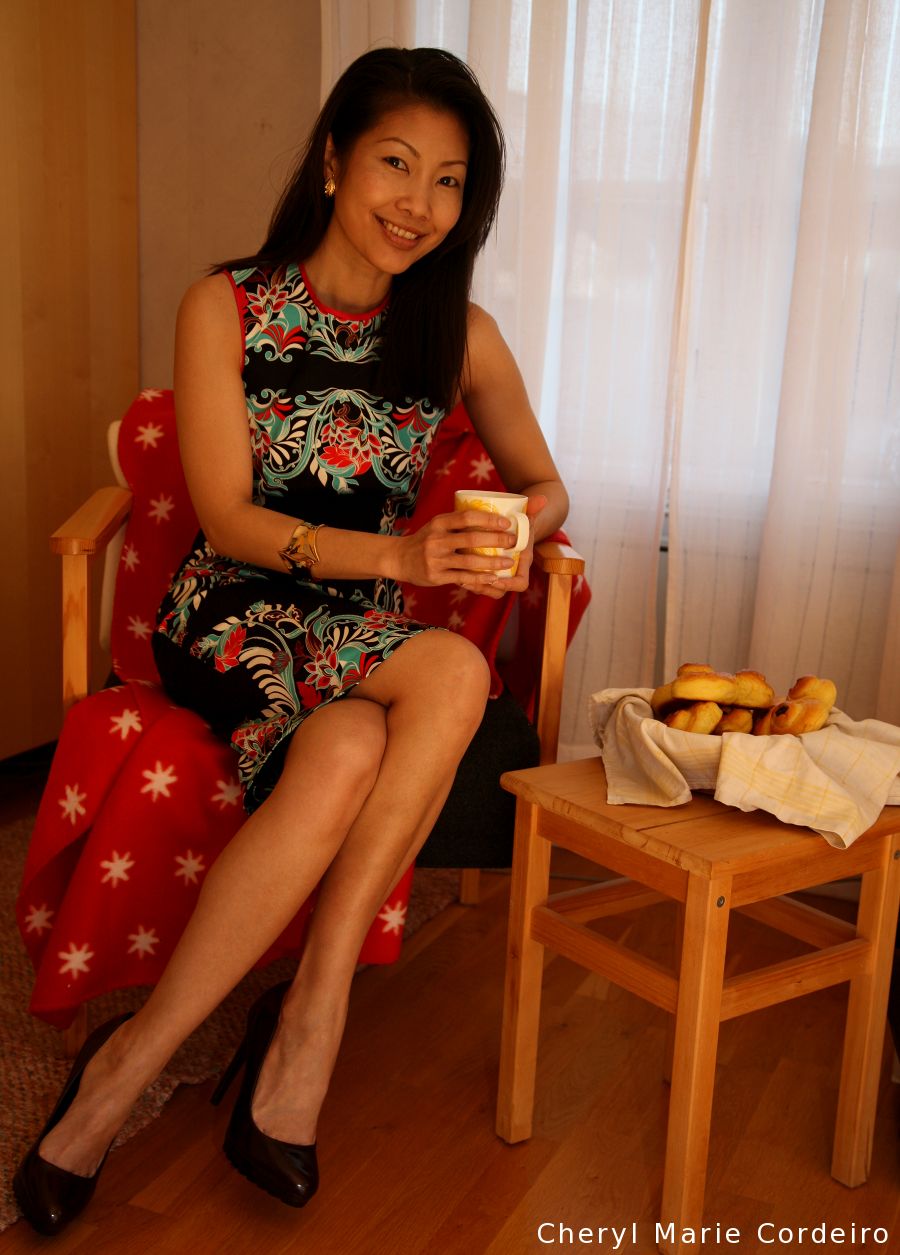
An evening with homebaked Lussekatter or saffron buns that are usually made in Sweden in celebration of St. Lucia’s Day that falls on 13 December.
Text & Photo © JE Nilsson, CM Cordeiro, Sweden 2015

I love when Christmas comes a little early. In this case, I thought to settle and bake a batch of saffron infused buns called Lussekatt that in the tradition of Sweden, are baked in celebration of St. Lucia’s day that falls on 13 December. This, and a cup of glogg sounds pretty much a good start to the jultide season. Continue reading “November cats”

Alice and the Caterpillar

Alice's Adventures in Wonderland and Through the Looking Glass by Lewis Carroll. Illustrated by John Tenniel.

It was soon that Alice found herself in front of the Caterpillar again. Instead of waiting patiently first for him to speak, she ventured a step forward to the mushroom where he usually sat, in a swirling cloud of smoke.

“Caterpillar, I think I can answer your question now on who are you?”

“I know who I am, there is no need for you to tell me.” The Caterpillar replied indignantly, even if with patience.

“I meant your question, to me from fore – who are you?” Alice tried again. The Caterpillar remained silent, and at this point Alice didn’t quite know if it was because he was inhaling on his hookah that he didn’t respond of if he had lost sight of her that he was not responding. “It is not the question of who are you, but what are you actua –” Continue reading “Alice and the Caterpillar”

Back to basics

Cheryl Marie Cordeiro, home baked mixed wheat bread.

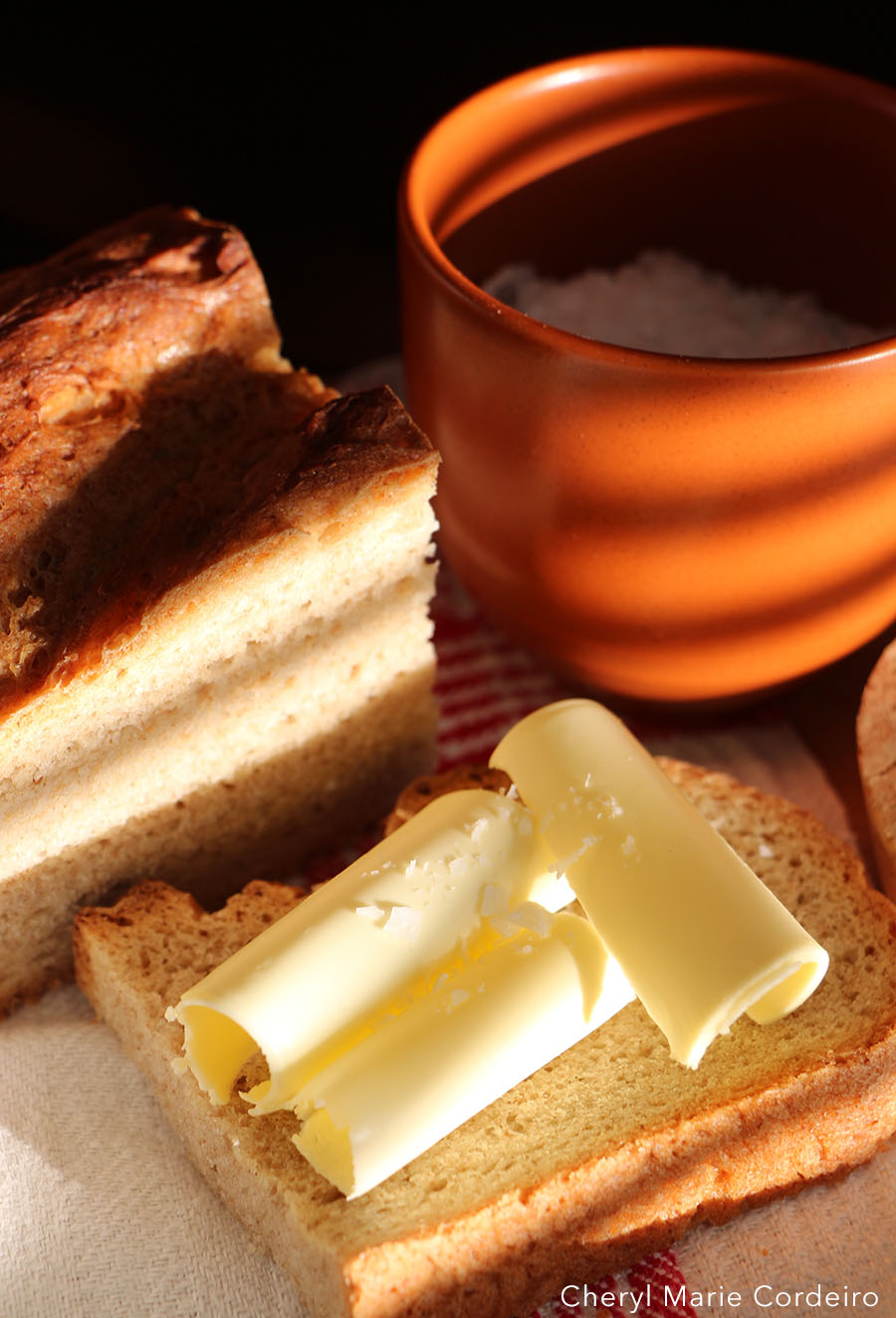
Homebaked bread, served with butter and sea salt.
Text & Photo © JE Nilsson, CM Cordeiro, Sweden 2015

The phenomenon of no-knead bread began to grow in popularity in the mid-2000s in address to the lack of time people had to spend in home kitchens. Today there are about 1.6M hits on google for no-knead bread recipes, including one of my favourites by Mark Bittman simply entitled No Knead Bread from 2006 [1] when he worked with The New York Times (NYT) writing on food. That NYT video upload featuring Jim Lahey of Sullivan Street Bakery in Manhattan showed how breads could easily be baked without too much work, plopped into a cast iron pot, which I did for mine right here.

I had likewise as Jim Lahey from the 2006 video, used a three-ingredient bread recipe of yeast, flour and water. The difference however is that I liked kneading the dough, bringing out its gluten in the protein strands. That and, I had also used three different types of flours for this bread in a pot.

Pick up any flour package from the Swedish grocery stores and you’ll find on the side of that package, a recipe and instructions to baking a couple of loaves of bread using that flour. The recommended kneading time Continue reading “Back to basics”

Marketplaces: converging inspirations

Saluhallen Västerås

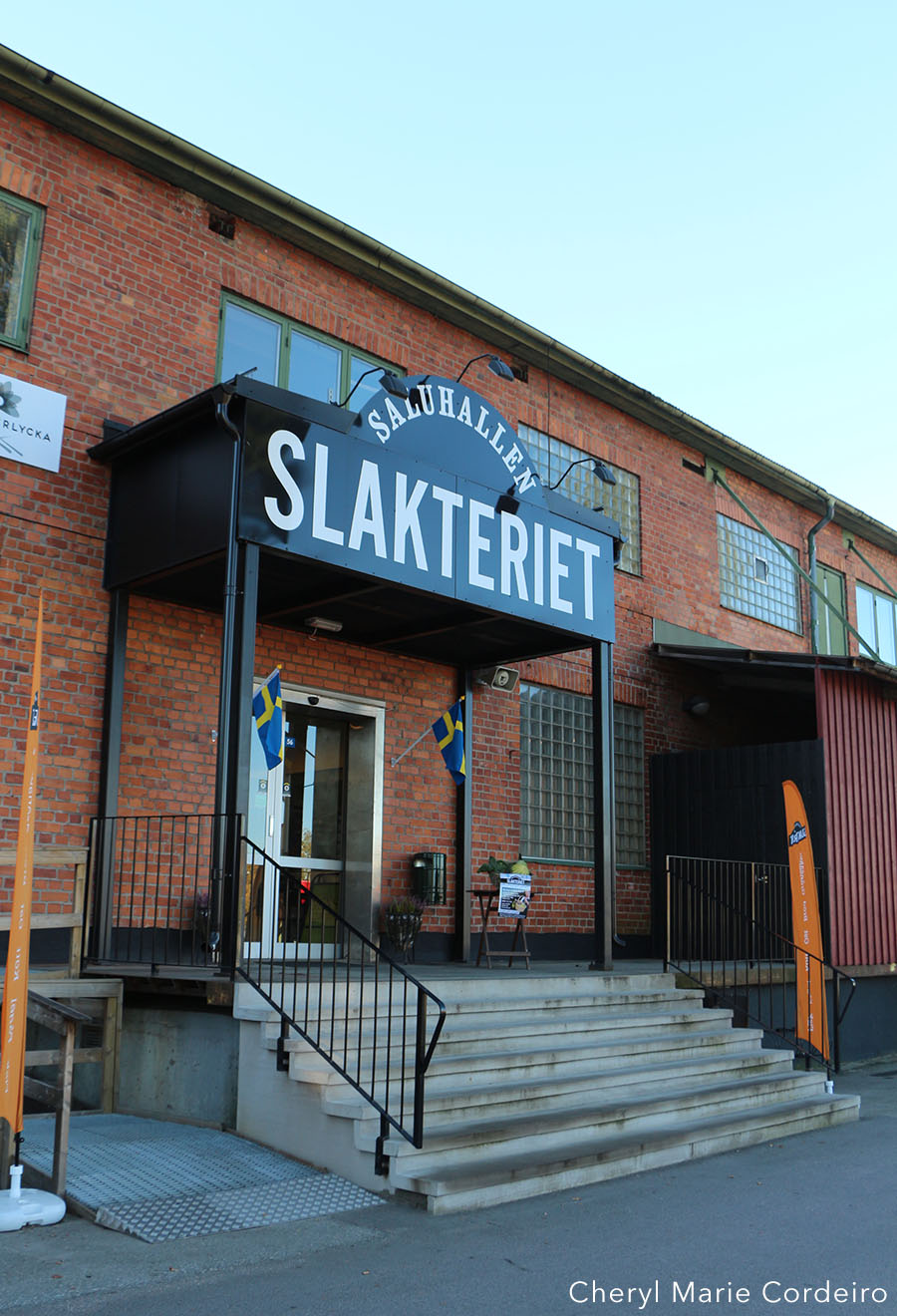
Saluhallen Slakteriet, Västerås, Sweden.
Text & Photo © JE Nilsson, CM Cordeiro, Sweden 2015

Whilst the field of transdisciplinary research contemplates the effectiveness of the use of metaphors as a means to transcend boundaries between different fields of academic research, walk the streets of Västerås on a sightsee tour and you’ll find anything but the use of metaphors in street names or buildings, the sign designating the name of the road being metaphor enough. There is one skyscraper in the entire city, and that is aptly called, ‘The Skyscraper’. This weekend, I had the opportunity to go a little farther out of the city centre to the former abattoir, to a farmer’s market called ‘The Market Slaughterhouse’. You’ll find this market right next to the city’s landmark energy plant in the midst of a romantic industrial setting. Most street and building names are so straightly connected to the city’s power and energy industrial roots that one might come to think that the effort of keeping things in two dimensional vectors was considered effort enough in deployment of metaphor in itself.

Having observed two vector namings in three dimensional space, entering Saluhallen Slakteriet came as a surprise visual Continue reading “Marketplaces: converging inspirations”